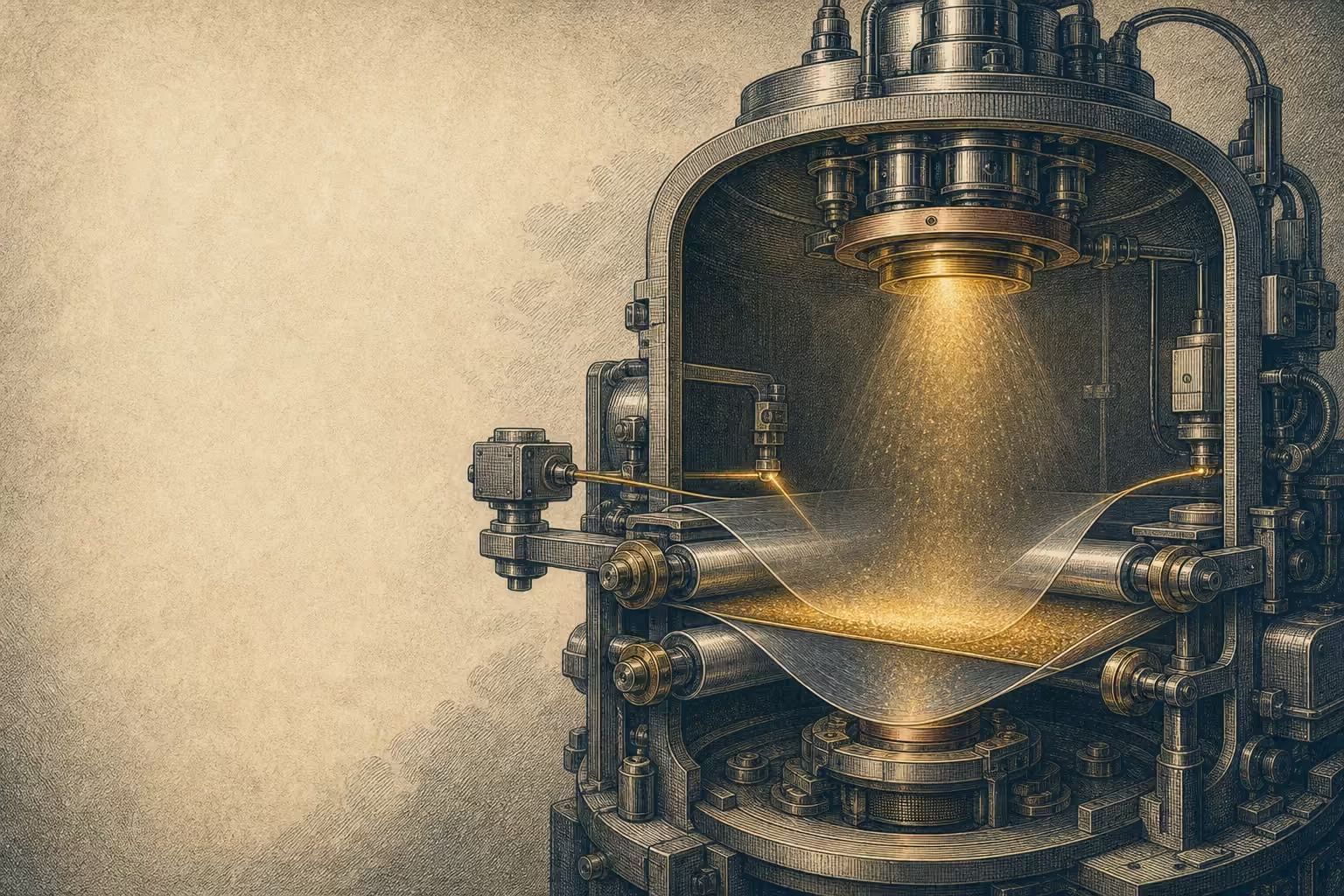
From security artwork to vacuum deposition, the process that places 24K gold between polymer layers.
Artwork and security begin together
Goldback describes each design as a collaboration between regional artwork and anti-counterfeiting features. The image is prepared for printing on long rolls of polymer rather than struck into a metal blank like a conventional coin.
The Washington, D.C. issue uses the updated 2026 template, including higher-resolution security details, improved typography, and hidden UV-reactive artwork. Those elements belong to the manufactured object; a screen image cannot authenticate them by itself.
Gold under vacuum
Valaurum, Goldback’s manufacturing partner, uses vacuum-deposition technology to apply atomized 24-karat gold to the polymer. For a 1 Goldback, the specified amount is 1/1000 troy ounce.
The layer is then sealed inside a second protective polymer barrier. That sandwich creates a flexible object while keeping the thin gold layer protected from direct handling.
Verification is part of the process
Goldback states that production runs are checked by X-ray depth measurement, fire assay, and additional third-party measurements. These controls address the gold layer itself, not just the printed appearance.
Collectors should still evaluate the finished note’s serial, security details, source, and condition. Manufacturing facts explain the construction; they do not replace purchase diligence.
Primary sources
Return to the note.
See the standard product image, verified specifications, and current published reference value together.
View the product guide Columbia at the Republic’s 250th year
 What one Goldback is worth