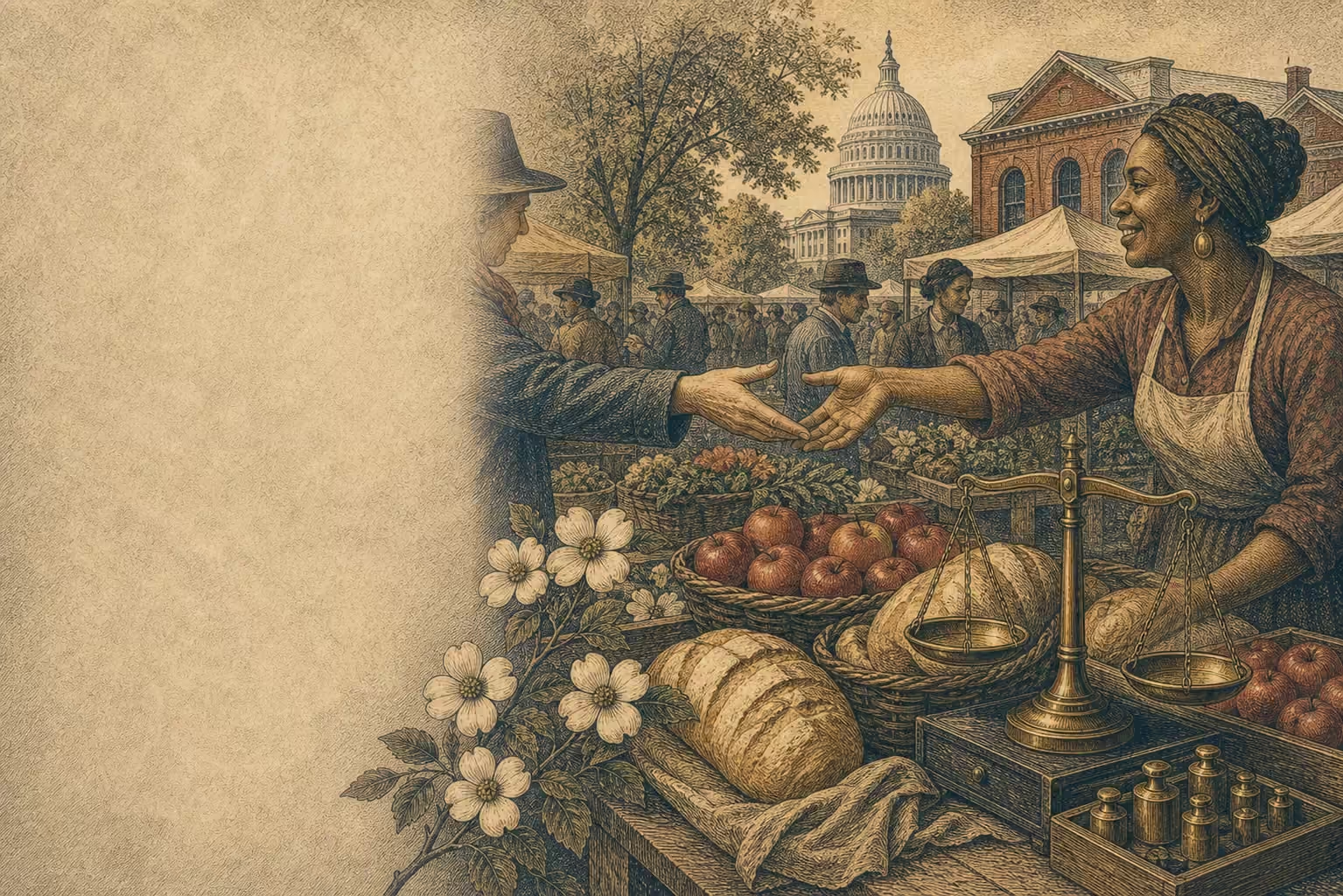
The practical conversation behind voluntary exchange: acceptance, current reference value, quantity, and change.
Agreement comes first
A Goldback is not accepted everywhere. A practical exchange begins by asking whether the other party accepts Goldbacks and whether both sides want to use the current published reference rate.
That conversation should happen before goods change hands. A voluntary exchange is clearest when the item price, Goldback quantity, any dollar remainder, and any change are all stated plainly.
Use the current rate as a common reference
The calculator on this site compares a purchase cost with the value of the Goldbacks being used at the current UPMA per-Goldback reference rate. It shows either the amount still owed or the change due. It does not decide the terms for either party.
For this one-denomination issue, the math stays readable: multiply the number of Washington, D.C. 1 Goldbacks by the current published unit rate, then compare that result with the purchase cost.
Keep the exchange legible
Confirm the physical notes, count them in view of both parties, and avoid treating a screenshot of an old rate as current. If exact change is awkward, agree in advance on a mixed Goldback-and-dollar settlement or choose another payment method.
The goal is not to pressure anyone into acceptance. The strength of a voluntary exchange is that both sides understand and choose the same terms.
Primary sources
Return to the note.
See the standard product image, verified specifications, and current published reference value together.
View the product guide Columbia at the Republic’s 250th year
 What one Goldback is worth