Monument, dome, eagle, stars, fireworks, and Columbia, read from foreground to horizon.
The vertical landmark
The Washington Monument is the composition’s strongest architectural vertical. Behind Columbia, it connects the human-scale figure to a broader national memory and creates a calm axis through the fireworks and night sky.
Goldback’s official description associates the monument with leadership and sacrifice. Its distance matters: it is an inherited landmark, not a prop held by the allegorical figure.
The dome in the distance
The U.S. Capitol sits lower and farther back. In the official reading, it points to self-government and the rule of law. Its glow distinguishes the civic institution from the darker night without making the building the sole subject.
Together, monument and Capitol create a visual route from memory to continuing government: what was founded, what was built, and what remains the work of citizens.
Eagle, stars, and fireworks
The bald eagle crosses above the architectural horizon, a national symbol of freedom. The thirteen stars on Columbia’s shield refer to the original colonies, while the fireworks mark the 250th anniversary celebration.
These are familiar symbols, but the artwork assigns each a different role. Stars attach founding history to the shield; fireworks activate the present celebration; the eagle gives the upper scene motion and continuity.
Columbia holds the composition together
Columbia stands between the close shield and distant landmarks. She gives the scene its human center: the republic is not only buildings and inherited symbols, but people responsible for keeping its principles alive.
The bottom inscription makes that responsibility explicit. It is the shortest element in the artwork and the one most directly addressed to the owner.
Primary sources
Return to the note.
See the standard product image, verified specifications, and current published reference value together.
View the product guide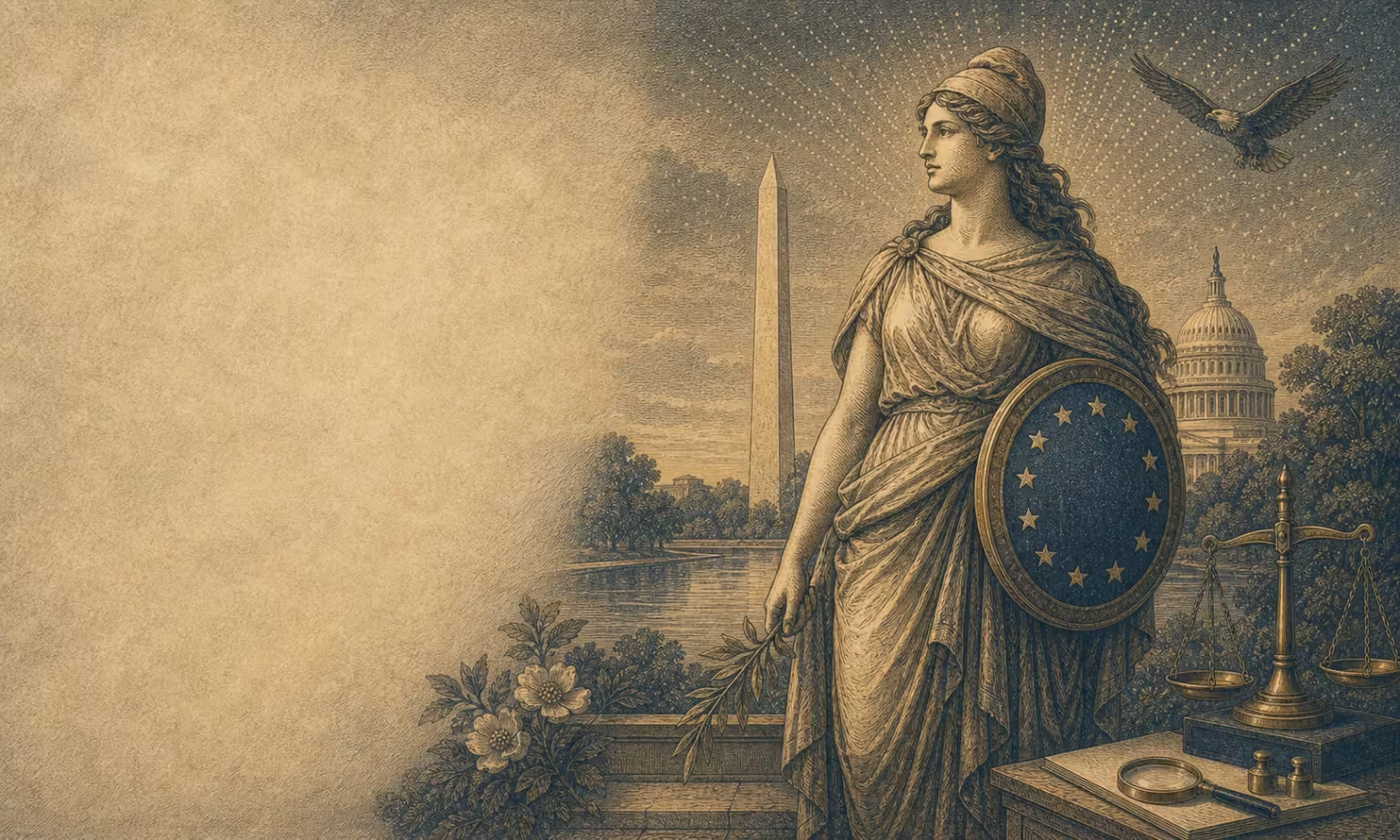 Columbia at the Republic’s 250th year
 What one Goldback is worth